
Starting Seedlings: From Seed Tray to Garden Ready
Every year around late winter, the farm starts to come alive again indoors. Long before the last frost, we're already filling trays with seed starting mix, labeling varieties, and watching for the first tiny sprouts to push through. Starting seedlings from seed is one of the most rewarding parts of the growing season, and over the years we've learned a few things that make all the difference.
What We Grow
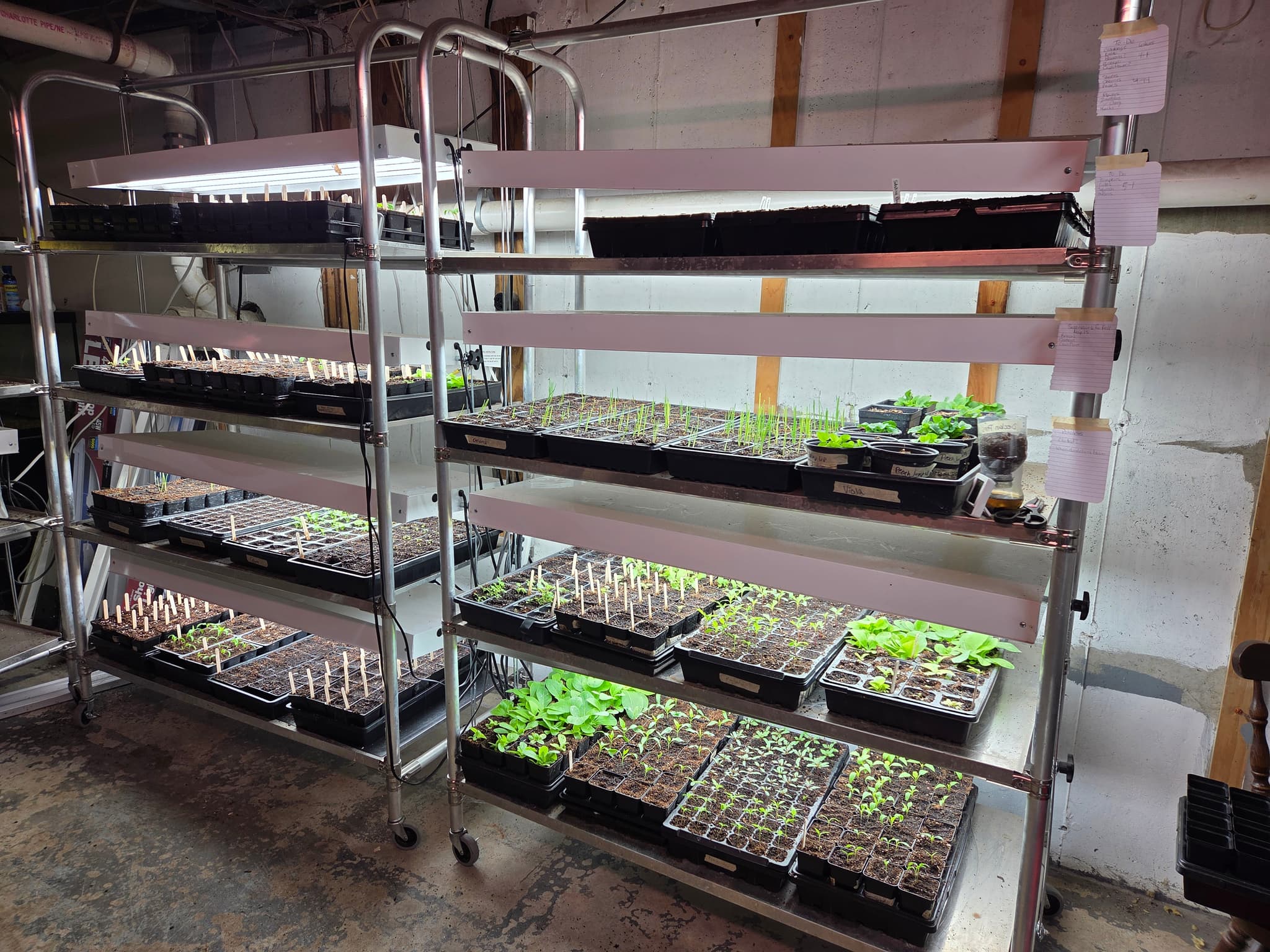
We grow a wide variety of seedlings each season. Vegetables make up the bulk of it (tomatoes, peppers, lettuces, brassicas, onions, and more) but we also start plenty of flowers and herbs. Over the past couple of years, we've sold some at the farmstand and at the farmers' market, though honestly, most of them end up in our own gardens. We've got a full grow rack setup indoors that can accommodate a couple thousand plants at a time, so we're never short on variety.
There's something deeply satisfying about seeing a tiny seed become a healthy plant that eventually feeds your family or brightens someone's garden. It's the kind of work that keeps you going through the long Maine winters.
Getting the Mix Right
One of the first lessons we learned is that your seed starting substrate matters more than you might think. A lot of the seed starting mixes you'll find at a big box store are convenient, but they're often devoid of real nutrients. They'll get seeds sprouted, sure, but once those seedlings start growing, they'll quickly run out of fuel.
We mix our own blend using organic amendments, coconut coir, compost, and perlite. The coir provides good moisture retention and structure, the compost adds nutrients and beneficial biology, the perlite keeps things well-drained, and the organic amendments give the seedlings a slow-release food source as they develop. It's a little more work upfront, but the difference in plant health is immediately noticeable.
If you're using a store-bought mix, just keep in mind that you'll want to start fertilizing regularly once your sprouts are up and growing. Without it, seedlings can become pale, leggy, and weak before they ever make it outside.
Sprouting and Early Care
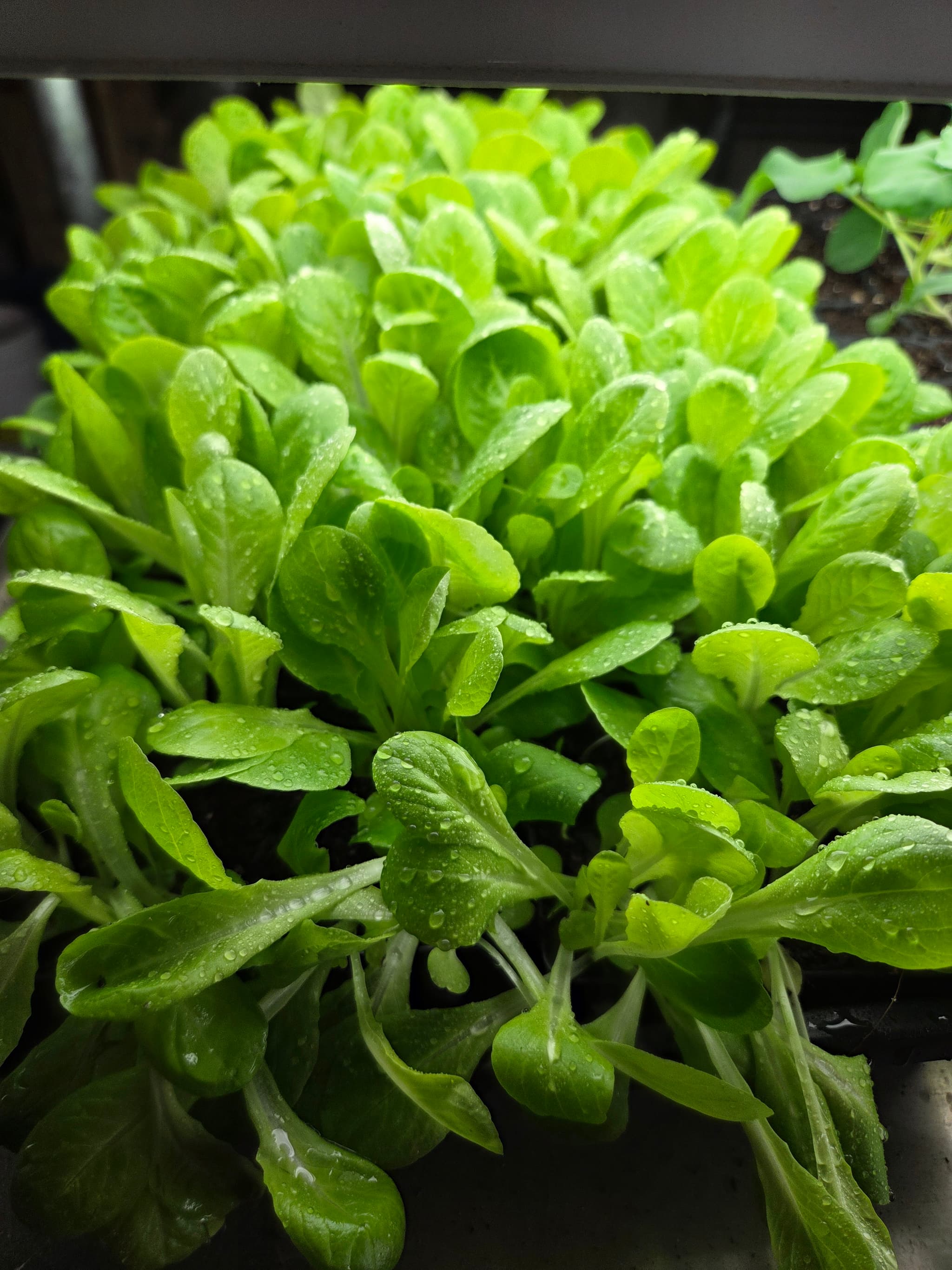
Getting seeds to sprout reliably comes down to warmth and moisture. We use heat mats under our trays, which make a big difference -- especially for warm-season crops like tomatoes and peppers that really want consistent soil temperatures to germinate.
Once seeds are up, good light is essential. Our grow rack is outfitted with full-spectrum LED lights that keep seedlings compact and sturdy. Without enough light, seedlings stretch toward whatever dim source they can find and end up thin and floppy.
Watering technique matters, too. We bottom-water our trays whenever possible, which means placing the trays in a shallow reservoir and letting the soil wick moisture up from below. This keeps the surface of the soil drier and helps prevent mildew and damping-off, two common problems that can wipe out an entire tray of seedlings overnight. It's a small habit that saves a lot of heartache.
The Most Important Step: Hardening Off
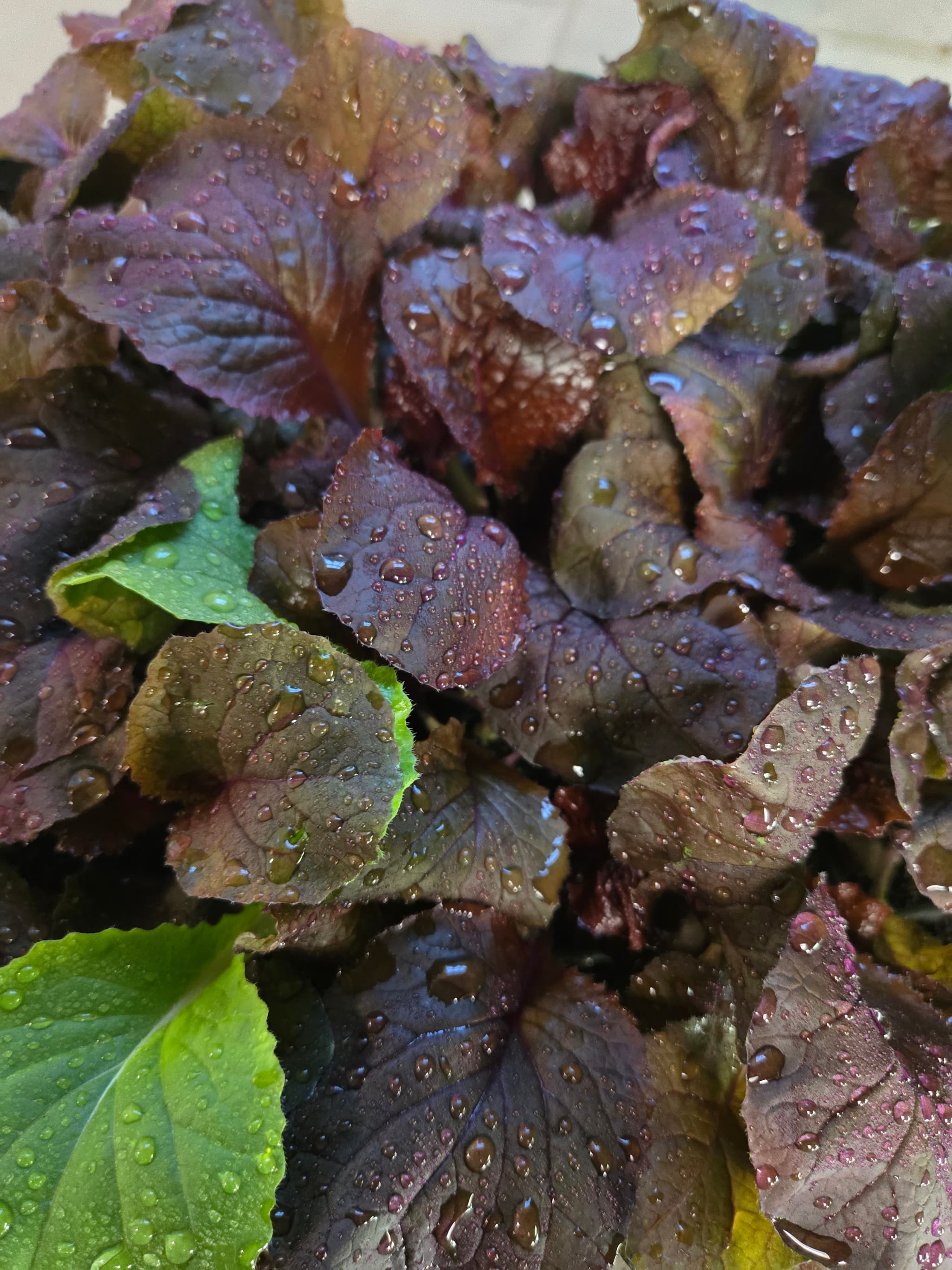
Here's the part that trips up a lot of gardeners, and it's arguably the most important step of the entire process: hardening off.
Seedlings that have spent their entire lives indoors under grow lights are not prepared for the real world. Direct sunlight is far more intense than any grow light, wind is something they've never experienced, and outdoor temperature swings between day and night can shock a tender plant. If you take a seedling straight from a cozy indoor setup and plant it in the garden, there's a very good chance it will struggle or die.
Hardening off is the process of gradually introducing seedlings to outdoor conditions over the course of several days. We typically start by setting trays outside in a sheltered, shaded spot for just a couple of hours, then bring them back in. Each day, we increase the time outside and gradually expose them to more direct sunlight and open air. By the end of the process, the plants are tough enough to handle full sun, wind, and cooler nighttime temperatures without flinching.
A Note on Buying Seedlings
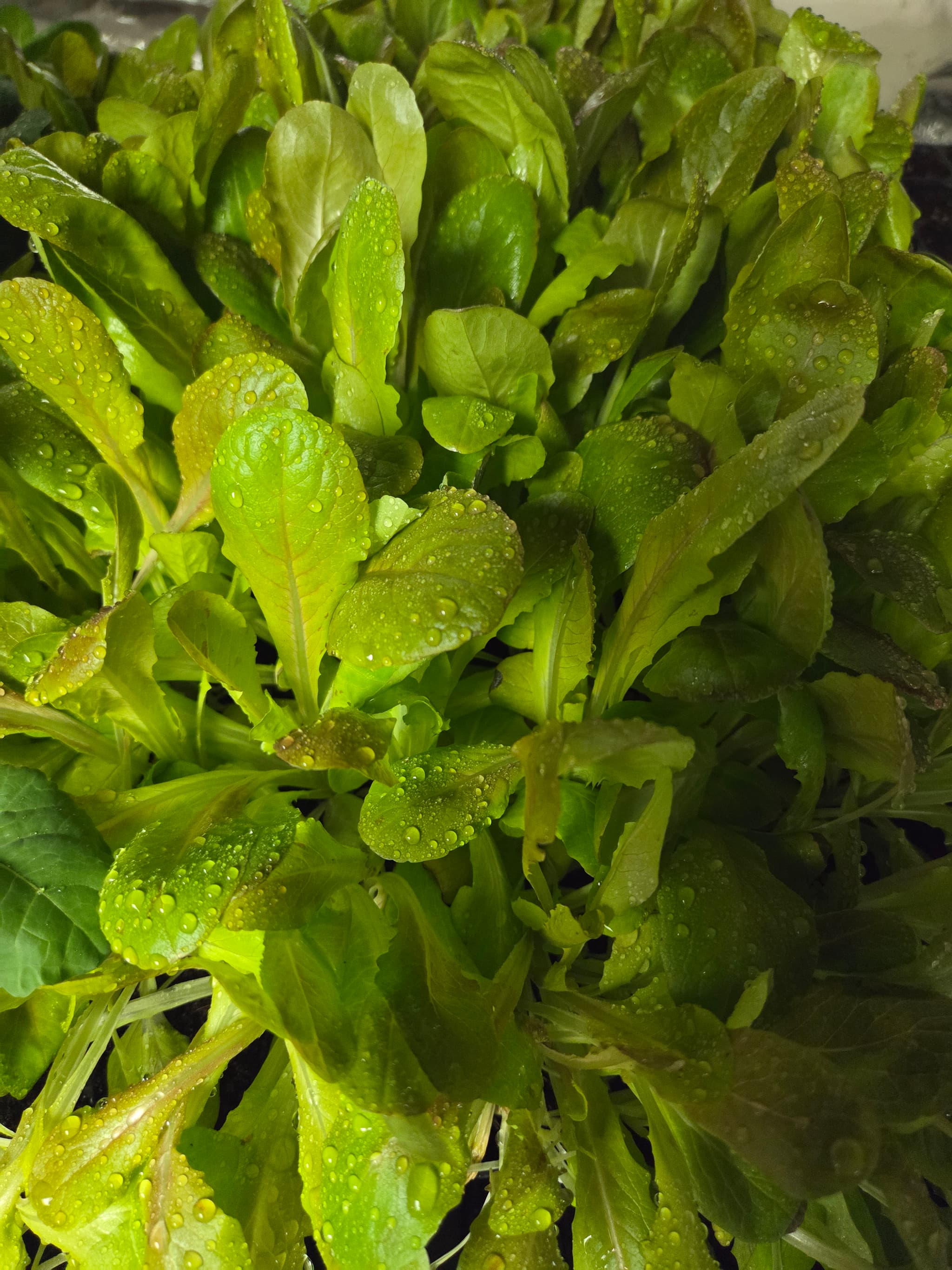
If you're buying seedlings from a greenhouse or garden center rather than growing your own, here's something worth knowing: many of those plants may not be fully hardened off yet. Greenhouses are controlled environments, and while the plants might look big and healthy, they may not be ready for the shock of going straight into your garden.
When you bring seedlings home, it's always a good idea to harden them yourself before transplanting. Give them a few days of gradually increasing outdoor exposure. It takes a little patience, but the difference in transplant success is enormous. Plants that are properly hardened establish faster, grow stronger, and are far less likely to wilt or die in the first week. And of course, once they're in the ground, give them a good drink of water and keep them well-watered as they settle into their new home.
Looking Ahead
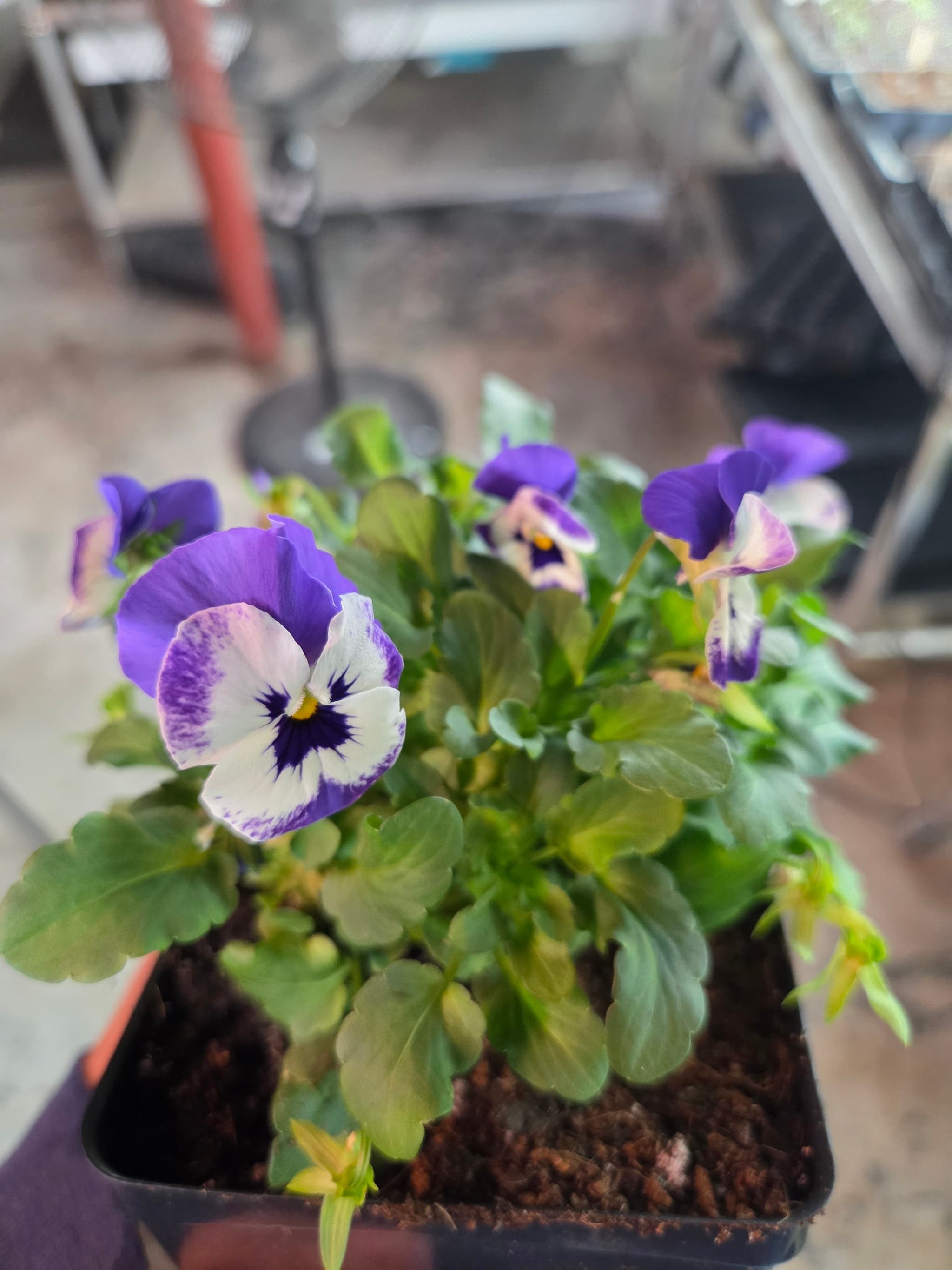
We're getting close to the point where most of our seedlings will be heading outside for good. The violas are already blooming beautifully, and the lettuces and brassicas are looking strong and eager to get into the ground. The warm-season crops, like tomatoes, peppers, squashes, still have a bit of waiting to do before our last frost passes, but they're growing well on the rack in the meantime.
As always, we'll have seedlings available at the farmstand as the season gets going. Whether you're a seasoned gardener or just getting started for the first time, starting from healthy, well-grown seedlings makes all the difference. And if you're growing your own from seed, just remember: take the time to harden them off. Your garden will thank you.